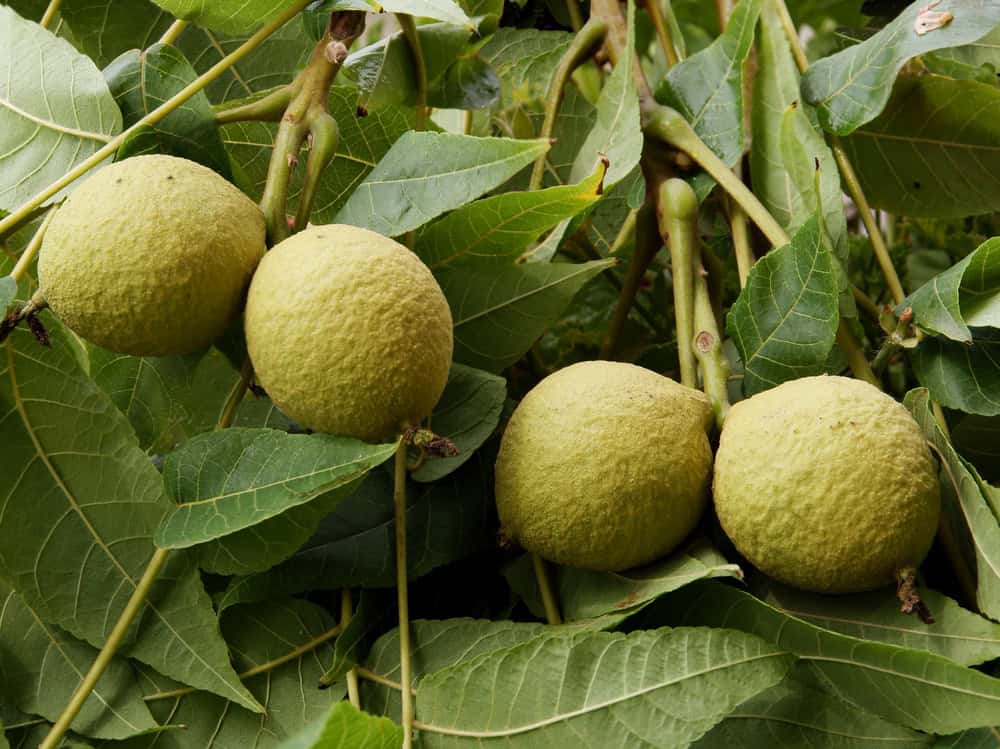
There are few trees in the herbal kingdom as majestic (or as misunderstood) as the Black Walnut. With its towering branches, rich dark heartwood, and potent green hulls, this tree has long symbolized strength, protection, and cleansing.
To the untrained eye, it’s simply a stately hardwood. But to those versed in the old ways, the black walnut is a pharmacy in itself: antifungal, antiparasitic, mineral-rich, and a tonic to both the inner and outer man. This is one of the reasons why it is a main ingredient in HMCTN.
A Brief History
Black walnut (Juglans nigra) is native to North America and has been valued by indigenous peoples for both food and medicine for centuries. The name “Juglans” comes from the Latin Jovis glans – meaning “the nut of Jupiter,” implying that the gods themselves favored it.
The Native Americans were the first to recognize the healing virtues of the walnut tree. They used the green hulls as a topical treatment for ringworm and skin infections, and internally as a remedy for intestinal parasites. They also prized the nuts as an energy-rich food source, high in omega oils, protein, and minerals.
European settlers quickly adopted these uses, and by the 1800s, black walnut tincture was a staple in American herbal pharmacopoeias. The Eclectic physicians of the 19th century (the natural doctors who bridged folk and scientific herbalism) used it for “intestinal impurities,” glandular swellings, and sluggish digestion.
To this day, black walnut remains one of the most respected cleansing and antiparasitic herbs in traditional Western herbalism.
Which Part To Use
Each part of the black walnut tree has a distinct purpose:
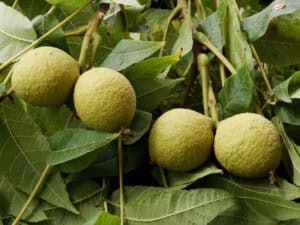
- Green Hulls (Outer Shells): The most medicinal part. When fresh, they contain high levels of juglone, a potent compound with antiparasitic, antifungal, and antibacterial effects. The hulls are harvested while still green, before they darken and harden, and are typically used to make tinctures.
- Nuts: Highly nutritious, rich in essential fatty acids, minerals (especially manganese and magnesium), and protein. Used as a food and mild tonic for brain and nerve health.
- Leaves: Used in some traditions as a gentle astringent wash for skin conditions and sores.
- Bark and Wood: Occasionally used externally for dyes or topical washes, though less common medicinally.
The hull is where black walnut’s healing power truly resides: both for cleansing the internal terrain and restoring outer balance to the skin.
Uses and Benefits
1. Parasite Cleanser and Antimicrobial
Black walnut is most famous for its vermifuge (anti-parasitic) properties. The compound juglone is lethal to many intestinal parasites, fungi, and harmful microbes, yet surprisingly well tolerated by the human body in moderate doses.
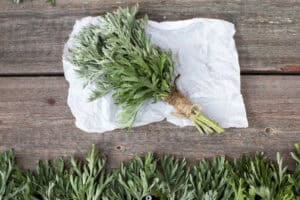
Dr. John R. Christopher frequently included black walnut in parasite-cleansing programs, often combined with wormwood to address parasites. It is also included in HMCTN.
2. Fungal and Yeast Overgrowth
Black walnut has a strong affinity for conditions involving fungal or yeast imbalance, such as candida overgrowth, athlete’s foot, ringworm, and nail fungus. Used both internally (as tincture) and externally (as a wash or salve), it helps restore microbial balance and dry out excessive dampness in the tissues.
Many natural practitioners still use black walnut as a primary antifungal agent when clients are transitioning off processed foods and sugars — supporting the body as it reestablishes a healthy internal ecosystem.
3. Skin Health and Topical Healing
Applied externally, black walnut tincture or infused oil helps address eczema, psoriasis, fungal infections, and acne. It tones the skin, reduces microbial load, and supports tissue repair. The same compound that kills intestinal parasites also helps disinfect and heal wounds and ulcers when applied topically (diluted, as it can stain and irritate in full strength).
Dr. Christopher had many incredible stories of skin healing with the aid of black walnut.
4. Digestive and Liver Support
Black walnut is deeply cleansing to the gastrointestinal tract. Its astringent nature tones the intestinal lining, while its bitterness stimulates bile flow and digestion. By helping clear old waste and microbial residues, it improves nutrient absorption and relieves sluggishness, gas, or bloating.
Because of this, black walnut is often included in “spring cleanse” tonics or liver support formulas.
5. Rich Mineral Source
What many forget is that black walnut is not only cleansing, but also remineralizing. The nuts and hulls are rich in iodine, manganese, potassium, and iron, making it valuable for thyroid health and general vitality. For individuals coming off a depleted diet, black walnut provides both detoxification and replenishment, a rare dual action in herbal medicine.
Surprising Facts About Black Walnut
Even seasoned herbal enthusiasts may not know these remarkable facts about this powerful tree:
- Harvest at the Right Time: The hulls should be gathered while still green and soft — usually late summer to early fall. Once they blacken, they lose potency and become too harsh.
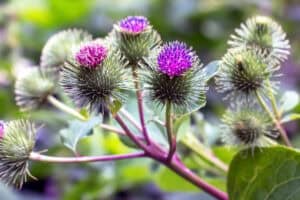
- Use in Cycles: For parasite cleansing, herbalists often recommend short cycles — for example, two weeks on, one week off — combined with a clean diet and liver support herbs like dandelion or burdock.
- Respect the Strength: Black walnut is not an everyday tonic. It’s a purifier and reset button. Once the system is cleansed, maintenance can often be achieved with diet and milder herbs.
- Pair It Wisely: Combine with soothing herbs like licorice, marshmallow, or peppermint to balance its intensity.
Above all, freshness matters. Old, dried hulls lose much of their medicinal power. A well-made tincture of freshly hulled black walnuts glows a deep emerald-green before oxidizing — a sure sign of life force within.
A Symbol of Strength and Renewal
The black walnut tree embodies the principle of protection, both in nature and in the body. Its roots defend their territory; its wood resists decay; its hulls repel parasites and pathogens. In the same way, it teaches us to maintain healthy boundaries, cleanse what is unclean, and nourish what is vital.
As Dr. Christopher taught, healing is not just about removing the bad, but strengthening the good. Black walnut both purges impurities while fortifies the body with minerals and vigor.
In the end, this noble tree reminds us that the Creator’s medicine cabinet is often hidden in plain sight: growing tall by the roadside, dropping green jewels of healing each autumn, waiting for those with eyes to see.