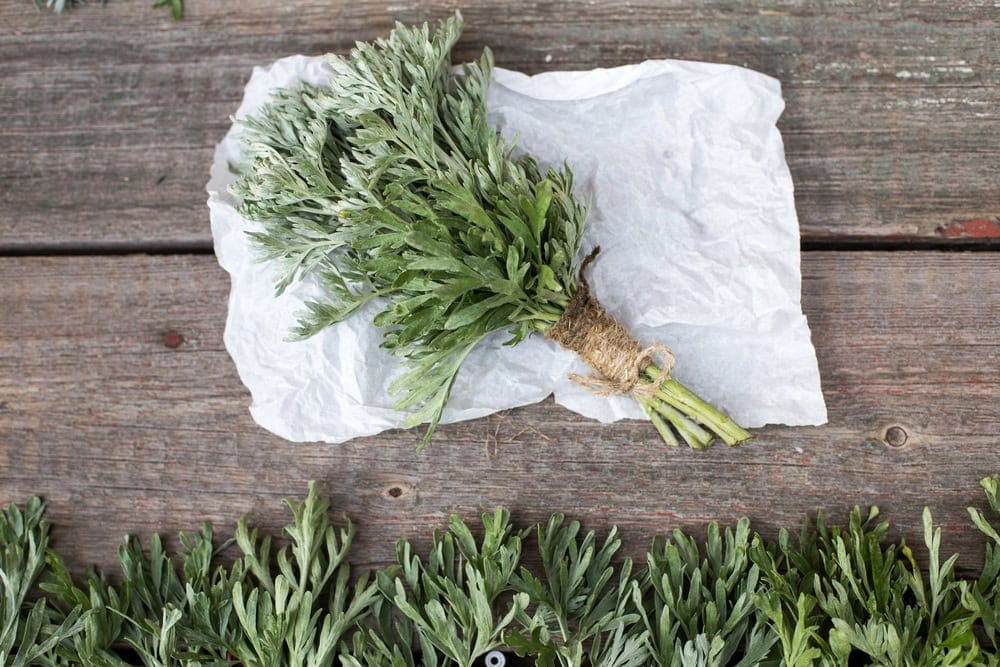
Few herbs carry as much myth, misunderstanding, and medicinal power as wormwood. The silver-green sentinel of the herb garden whose very name evokes both healing and warning. Known to the ancients as the bitterest of herbs, wormwood has been used for millennia to purge parasites, stimulate digestion, clear the mind, and even inspire art and controversy in equal measure.
To the trained herbalist, wormwood is neither to be feared nor over-praised. It is a teacher in moderation, a purifier of the internal fire, and one of the powerhouses in HMCTN.
A Storied History
Wormwood (Artemisia absinthium) belongs to a venerable family of plants named after Artemis, the Greek goddess of the hunt, wilderness, and childbirth. The genus Artemisia includes other celebrated herbs such as sagebrush, mugwort, and tarragon. Across cultures, these aromatic, resinous plants were revered for their cleansing, protective, and visionary qualities.
- Ancient Egypt & Greece – The Egyptians used wormwood in medicinal wines and sacred rituals, while Greek physicians like Hippocrates and Dioscorides praised it for “expelling worms” and stimulating the digestive organs.
- Medieval Europe – Wormwood found its way into monasteries and apothecaries as a bitter tonic, liver remedy, and insect repellent. It was steeped in ale and wine to make the famous “absinthe” elixir that later became notorious in 19th-century Paris.
- Biblical Reference – The Bible uses wormwood as a metaphor for bitterness and divine chastisement (“behold, I make waters bitter with wormwood”), suggesting its role as both purifier and cautionary symbol.
Over centuries, wormwood has walked a fine line: celebrated by herbalists, demonized by regulators, and immortalized by poets and painters.
Which Parts to Use
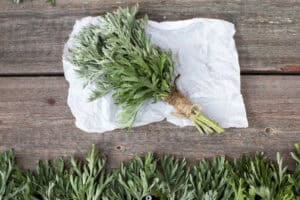
The aerial parts, especially the leaves and flowering tops, are used medicinally. Harvested in midsummer when the plant is in bloom, these contain the highest concentration of volatile oils, bitter principles, and resinous compounds.
The plant’s gray-green leaves are soft and feathery, and its distinctive aroma — sharp, clean, and resinous — is unmistakable. The key active constituents include absinthin (one of the bitterest substances known), thujone, and various flavonoids that contribute to its potent physiological effects.
Uses and Benefits
Wormwood’s actions center on awakening the body’s inner intelligence: the digestive fire, the eliminative pathways, and the protective boundaries against internal invaders.
1. Digestive Stimulant and Bitter Tonic
Few herbs can match wormwood’s ability to rouse sluggish digestion. Just a few drops of tincture or a small sip of tea before a meal triggers the entire digestive cascade: saliva, stomach acid, bile, and pancreatic enzymes.
In traditional herbalism, wormwood is considered a “choleretic” (stimulating bile flow) and “stomachic” (tonic to the stomach). It is invaluable for poor appetite, bloating, indigestion, or gallbladder sluggishness, especially in people who have lost their taste for bitter foods.
2. Anti-Parasitic and Vermifuge
As its name implies, wormwood has long been used to expel intestinal worms and parasites. It has natural anthelmintic compounds that create an environment inhospitable to parasites while strengthening the host’s digestive resilience.
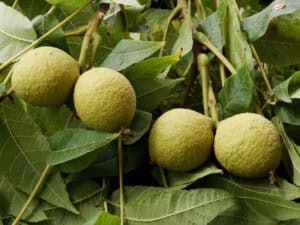
Many traditional parasite-cleansing formulas (including HMCTN) pair wormwood with black walnut hull and cloves, the classic trio used to cleanse the intestinal tract and support overall immunity.
3. Liver and Gallbladder Support
By increasing bile flow and stimulating the liver, wormwood helps process and eliminate metabolic wastes, hormones, and toxins. It is a key herb in “bitter liver tonics,” often combined with gentian, dandelion, or barberry. This liver-supporting action indirectly benefits the skin, hormones, and mood, since the liver plays a role in all three.
4. Immune and Microbial Balance
Wormwood’s essential oils exhibit antimicrobial and antifungal properties. Historically, it was even used as a wash or fumigant to deter lice, fleas, and moths. Some modern herbalists employ it in internal protocols for candida and gut dysbiosis, though always in small, carefully measured doses.
5. Mental and Emotional Clarity
Although rarely discussed today, old herbals often describe wormwood as “clearing to the mind.” In small amounts, it can sharpen alertness and lift mental fog. In excess, it can cause overstimulation, a reminder of its dual nature. The famed “absinthe” liqueur once sought to harness this visionary quality, though misuse of refined extracts led to its prohibition.
Surprising Facts About Wormwood
Even seasoned herbalists may find these tidbits intriguing:
- The Source of “Absinthe,” the Green Muse
The infamous absinthe drink of 19th-century Paris was made with wormwood, anise, and fennel. Artists like Van Gogh, Degas, and Wilde swore it unlocked creative visions. Modern analysis shows that while thujone contributes to stimulation, the true culprit behind absinthe’s excesses was often adulterated alcohol — not wormwood itself. - A Natural Insect Repellent
Dried wormwood hung in cupboards or packed with clothing deters moths and fleas. In the garden, it repels pests like aphids and cabbage worms, though it also inhibits nearby plant growth, earning it a place at the garden’s edge rather than its heart. - One of Nature’s Strongest Bitters
Wormwood’s bitterness is so intense that it can be detected at dilutions of 1 part in 30,000. This bitterness is what makes it so effective for the digestive tract. Bitterness signals the body to secrete digestive juices long before food reaches the stomach. - Named for the Goddess Artemis
The plant’s name Artemisia connects it to the feminine archetype of purification, protection, and cycles. Wormwood has been used in women’s formulas for menstrual regulation, especially when stagnation or congestion is involved. - Mentioned in Folklore and Prophecy
In some Slavic traditions, wormwood symbolized sorrow and endurance. In Revelation 8:11, a star called “Wormwood” turns the waters bitter – a metaphor many believe alludes to purification through trial. The herb has thus carried spiritual and medicinal symbolism for centuries.
The Key to Unlocking Wormwood’s Power
Wormwood teaches a critical lesson in herbalism: the dose makes the medicine. Used with skill, it restores appetite, clears the liver, and banishes parasites. Used carelessly, it can overwhelm the nervous system.
Here are the guiding principles for proper use:
- Small and Short-Term – Wormwood is a “low-dose” herb. A few drops of tincture before meals or a weak tea steeped briefly (1–2 minutes) is usually sufficient. Long-term or high-dose use is not recommended.
- Combine Wisely – Blend wormwood with soothing or harmonizing herbs such as peppermint, fennel, or ginger to balance its intensity.
- Avoid During Pregnancy – Its stimulating action on uterine tissue makes it unsuitable for expectant mothers.
- Respect the Bitter – Do not mask its taste entirely. The bitter sensation itself triggers the healing response — that is the key to wormwood’s intelligence.
It is often said that bitters are builders, and wormwood exemplifies that truth. When used properly, its bitterness kindles digestive fire, purifies stagnant systems, and restores balance to body and mind.
A Closing Reflection
In a world obsessed with sweetness and comfort, wormwood reminds us that healing often begins with what is hard to swallow. It teaches the beauty of boundaries: purging what does not belong and rekindling the inner flame of vitality.
From ancient temples to humble kitchen tinctures, wormwood has earned its place as one of the great purifiers of the herbal kingdom. Handle it with respect, and it will serve you as both a cleanser and a teacher.
As the old saying goes:
“The bitterest herbs bring the sweetest health.”