As an herbalist having been trained in the lineage of Dr. John R. Christopher, I have seen certain plants stir up strong emotions. Admiration from those who know their worth, suspicion from those who don’t.
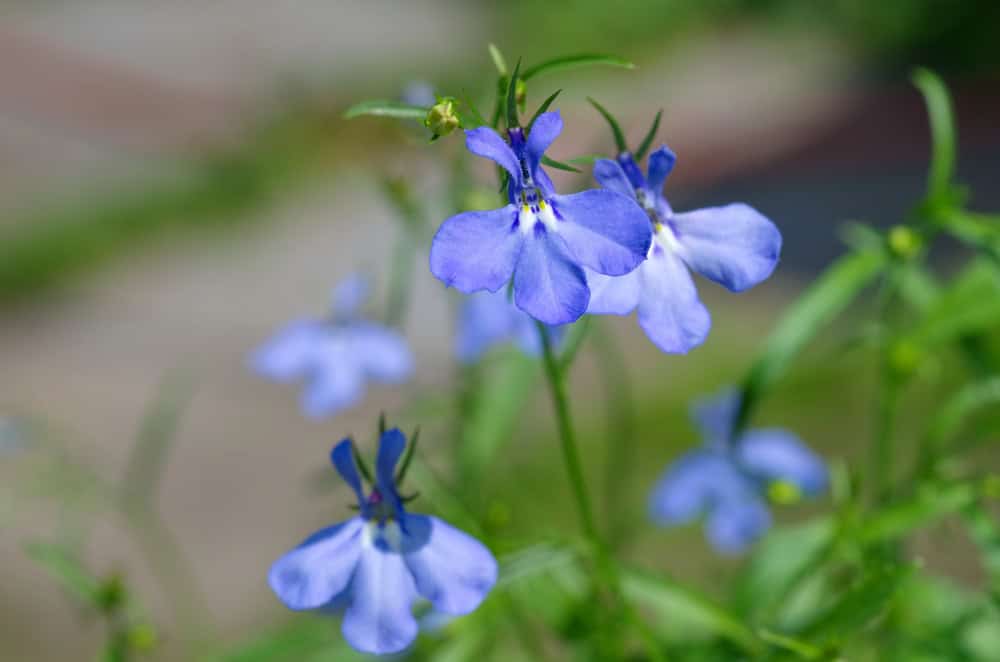
At the top of that list is lobelia (Lobelia inflata), sometimes called Indian tobacco, pukeweed, or asthma weed. Few herbs have been more praised by master herbalists or more maligned by skeptics.
Yet, when understood and used correctly, lobelia stands as one of the most versatile and dependable allies in the herbal kingdom. This seemingly insignificant herb is one of the subtle powerhousese of our HMCTN formula.
A Brief History of Lobelia
Lobelia is native to North America and was well-known among the Native American peoples for its powerful respiratory, muscular, and systemic effects. Early herbalists observed its ability to relax spasms, calm asthmatic fits, and induce cleansing reactions in the body.
In the late 1700s and early 1800s, Samuel Thomson, the great American herbalist, made lobelia the cornerstone of his healing system. He discovered that it could open the channels of the body, clear obstructions, and restore balance when illness had taken hold. Thomson’s advocacy of lobelia brought both fame and persecution. He was even accused of murder for using lobelia (though he was acquitted), and the herb continued to play a significant role in American herbal medicine throughout the 19th century.
The Controversy
Lobelia’s controversy stems from two main issues: its emetic effect and its misrepresentation in medical literature.
The Emetic Effect
Lobelia, in strong doses, causes nausea and vomiting. For Thomson and other early herbalists, this was not a side effect but a therapeutic action. They saw vomiting as the body’s way of expelling toxins, mucus, and obstructions. Modern people recoil at the thought, but within the context of fever management and acute illness, emesis was (and still is) often life-saving.
Medical Misrepresentation
By the mid-1800s, conventional medicine labeled lobelia as poisonous and dangerous. However, pharmacological texts exaggerated its toxicity, often citing animal studies where lobelia extract was injected directly into the bloodstream, which is far removed from human herbal practice. The American medical establishment vilified Thomson partly because his success with lobelia undermined the growing medical profession.
This “poisonous” reputation lingers today, even though true cases of lobelia poisoning are exceedingly rare. In reality, the body rejects excess lobelia quickly through vomiting, making fatal overdoses nearly impossible with the whole herb.
The Uses of Lobelia
Despite its controversy, lobelia has endured because it works. Its actions are broad and profound when used with understanding.
1. Respiratory Support
Lobelia is one of the finest antispasmodic and expectorant herbs for the lungs. It relaxes the bronchioles, loosens thick mucus, and helps expel it. Herbalists use it in formulas for asthma, bronchitis, croup, pneumonia, and spasmodic coughs.
2. Nervous System Relaxant
As an antispasmodic, lobelia calms muscular tension and nervous agitation. It is used in formulas for seizures, spasms, cramps, and even stubborn pain. A few drops of lobelia tincture massaged into a cramped muscle can relax it within minutes.
3. Catalyst Herb
Perhaps lobelia’s most remarkable role is as a catalyst. Dr. Christopher taught that lobelia is the “thinking herb” because it goes where it’s needed most and enhances the action of other herbs. When added in small amounts to a formula, lobelia helps direct and amplify the healing effects. It is the key that unlocks the door, ensuring other herbs are better absorbed and utilized. This is one of the main reasons why HMCTN works so well.
4. Detoxification
In larger doses, lobelia triggers emesis, a cleansing purge of the stomach and system. Though not commonly used this way today, in cases of poisoning or severe obstruction, it can serve as an herbal emetic to expel harmful substances without risk of harmful side effects.
5. Childbirth and Emergency Aid
Midwives have long used lobelia to relax the birth canal and ease difficult labor. It has also been employed in emergencies for shock, convulsions, and severe asthma attacks, often buying precious time before further care could be administered.
Unlocking the Power of Lobelia
The key to lobelia lies in dosage, form, and respect for its intelligence.
- Small, Frequent Doses
Rather than large, heroic amounts, modern herbalists typically use lobelia in small, frequent doses—sometimes as little as a single drop of tincture—repeated as needed. In this way, its antispasmodic and catalytic properties shine without provoking nausea. - Working With, Not Against, the Body
Lobelia doesn’t force the body; it assists it. If vomiting occurs, it’s because the body truly needed that action. If relaxation is required, lobelia provides it. It is unique in that it seems to sense the body’s needs and respond accordingly. - Combination With Other Herbs
Lobelia is rarely used alone. It potentiates other herbs—whether respiratory, nervine, or circulatory. For instance:- Lobelia + cayenne = emergency heart tonic.
- Lobelia + mullein = respiratory powerhouse.
- Lobelia + skullcap = soothing nervine.
This catalytic quality is why Dr. Christopher called lobelia the most important herb in the entire herbal materia medica.
Modern Perspective
Today, herbalists continue to defend lobelia against its detractors. While pharmaceutical medicine focuses on isolating alkaloids like lobeline (once studied as a smoking cessation aid), traditional herbalists value the whole plant, where the alkaloids, minerals, and synergistic compounds work together safely.
Scientific studies confirm lobelia’s antispasmodic and respiratory effects, though its emetic action makes it less attractive to mainstream use. Yet for those of us in natural healing, lobelia remains indispensable. Not for its ability to force a reaction, but for its ability to cooperate with the body’s innate intelligence.
Conclusion
Lobelia teaches us humility. It is not a casual “tea herb” to be sprinkled lightly for flavor. It is a powerful medicinal ally that demands respect and knowledge. When honored, it rewards us with remarkable versatility: opening lungs, calming spasms, guiding other herbs, and cleansing obstructions.
Perhaps the greatest lesson of lobelia is that healing is not always comfortable. Sometimes nausea, sometimes release, sometimes deep relaxation is needed before true balance can be restored. Lobelia does not pander to convenience. It serves health.
As I reflect on my years working with this plant, I return to Dr. Christopher’s conviction: if he were stranded with only one herb, he would choose lobelia. That statement alone should give us pause.
To dismiss lobelia as “dangerous” is to miss one of God’s greatest gifts for restoring health. To embrace it with understanding is to discover a master key for health—a key that opens the body’s doors to healing, renewal, and peace.